


Across Queensland, more households are experiencing food insecurity, meaning they struggle to access affordable, healthy food, either due to cost or location. But one surprisingly simple step – eating more vegetables – can help to support both health and household budgets.
According to the Foodbank Hunger Report 2025, around 35% of households in both regional and metropolitan Queensland are food insecure. In metropolitan areas, this percentage has risen from 28% in 2024. Rising living costs, transportation challenges and changing work patterns all contribute to this growing issue.
Rising food prices can make nutritious choices more difficult, so let’s explore some practical tips to help make healthy food more accessible.
Vegetables provide a stable source of nutrition
Vegetables play a unique role in supporting both nutrition and affordability. They provide essential vitamins, minerals, fibre and antioxidants – which can help to reduce the risk of chronic disease.
It’s estimated that declining vegetable intake among Australian adults contributed to 4.8% of disease burden in 2028-19, costing Australia’s health system $1.18 billion. Vegetables not only reduce the risk of chronic disease but can provide a stable source of nutrition for people experiencing food insecurity.
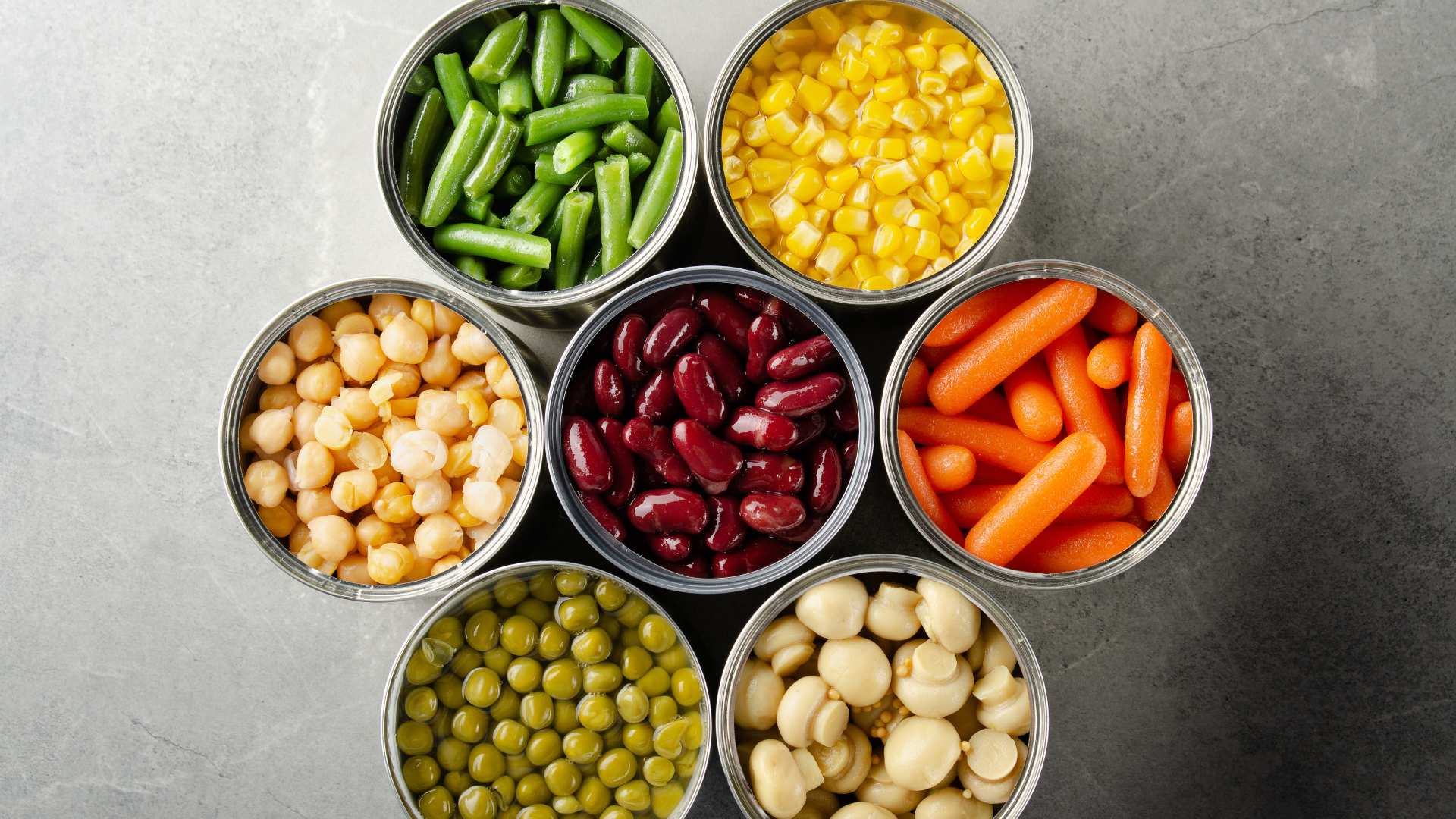
Vegetables can be used to make a variety of low-cost meals, including soups, stir-fries, curries, casseroles, salads, pasta dishes and snacks, helping meals go further and reducing the cost per serve. Importantly, they are available in many forms – fresh, frozen and canned – so they can be accessible to households with limited storage, time or transport.
Affordable ways to boost your veg intake
Eating more vegetables doesn’t need to be expensive or time-consuming. Here are some realistic, low-cost approaches:
Choose frozen and canned vegetables
Frozen of tinned vegetables are just as nutritious as fresh veggies, and often cheaper. They keep well, reduce waste and make healthy meals possible even when the fridge is nearly empty.
Build meals around low-cost staples
Rice, pasta, oats, legumes and tinned tomatoes combine beautifully with vegetables to make hearty, affordable meals. Add frozen peas or spinach to pasta, or canned beans to soups and stews.
Use simple, one-pot recipes
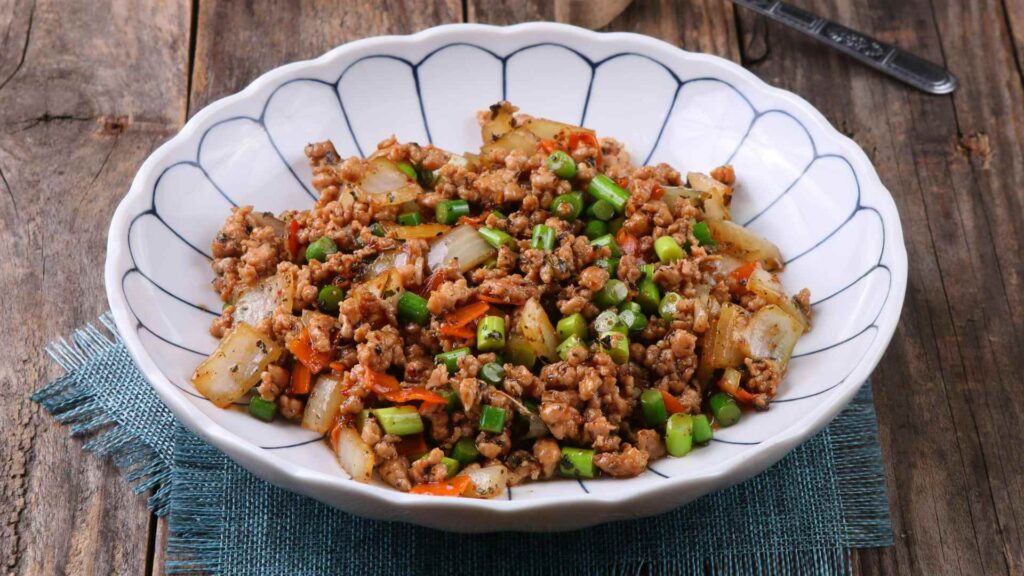
One-pot meals like vegetable soup, lentil dahl, fried rice or a tray bake reduce prep time, reduce washing up and save on energy costs while cooking.
Grow what you can
A small herb pot, a planter box of leafy greens, or a few cherry tomato plants can make a meaningful contribution to food variety. Community gardens across Queensland offer shared growing spaces, skill-building opportunities and affordable, local produce.
Tap into community initiatives
Many Queensland communities offer fresh food markets, low-cost produce boxes, cooking programs, community centres and school-based projects that support access to affordable vegetables.
Simple, low-cost veggie meals
Here are 3 veg-packed meal ideas that use inexpensive ingredients and can be adjusted to suit whatever veg you have available.
Cauliflower Fried Rice – This is easy, tasty and can be enjoyed even by those who aren’t cauliflower fans.

Chickpea, Corn and Zucchini Fritters – These are ideal for kids’ lunches or a nutrient and protein-rich meal served with salad and each contains a serve of veggies.

Vegetable Shepherd’s Pie – This is a great way of turning frozen or leftover veggies into a simple and wholesome dinner for the family. It’s budget-friendly and a great meat-free option!

Support is available
The Boost Your Healthy website has free recipes, meal ideas, shopping lists and simple guides to help Queensland families and communities eat well during tough times. These tools are designed for real life – practical, flexible and mindful of the pressures many households face.
Eating more vegetables doesn’t require a full lifestyle overhaul. Adding just one extra serve each day – a handful of spinach in a sandwich, a cup of mixed veg with dinner, or some tomato and cucumber added to lunch – can improve health and help meals stretch further.
By making small, achievable changes, and using the resources available, families can boost their daily veg intake and feel more confident about feeding their households well, even during challenging times.
Sources
1. Bowden, M. (2020). Understanding food insecurity in Australia. Australian Institute of Family Studies. https://aifs.gov.au/resources/policy-and-practice-papers/understanding-food-insecurity-australia
2. Foodbank Hunger Report 2025. https://reports.foodbank.org.au/wp-content/uploads/2025/10/Foodbank_Hunger_Report_2025_Ipsos_WEBCOPY.pdf
3. Report of the Chief Health Officer. Queensland Health. https://www.choreport.health.qld.gov.au/


