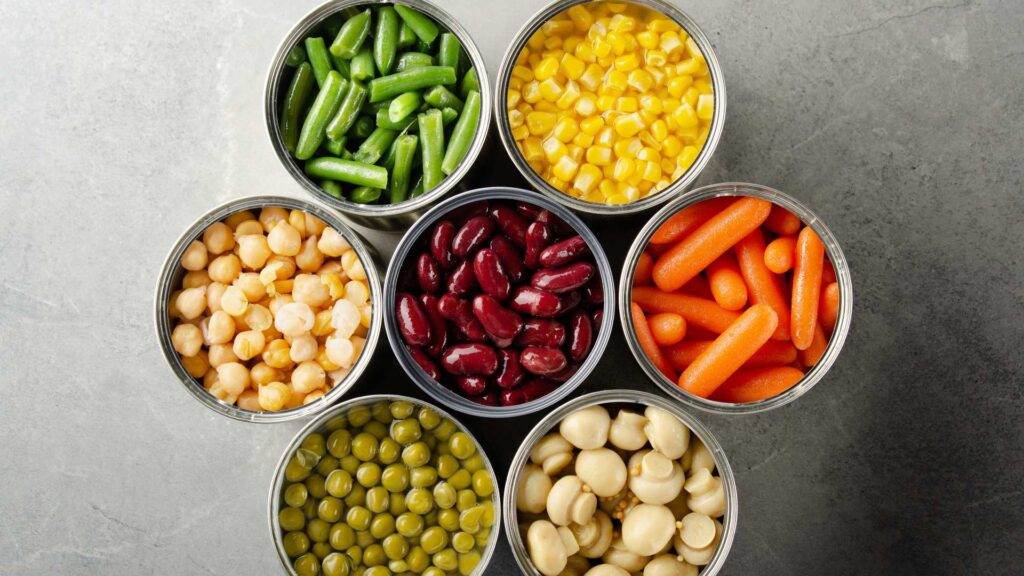
You’re just back from the supermarket, your bag bursting with a delicious rainbow of fresh vegetables. You put them in the fridge with the best of intentions to eat them up over the course of the week. But slowly, as the days go by, they find their way to the back of the fridge. Two weeks later, you’re scraping out a sad, soggy, slimy science experiment into the bin.
It’s a fact. Food waste harms our budgets as well as the environment. It’s estimated that Australians waste around 7.6 million tonnes of food annually. Households are responsible for about 30% of that total, with food waste costing each household up to $2,500 every year.
Across Queensland, many households are looking for simple, practical ways to stretch their grocery budget further and avoid cost-of-living pressures. One of the easiest – and often overlooked – ways to cut weekly food costs is by reducing the amount of food we throw away.
Much of our food waste comes from fresh produce, including vegetables that spoil before we get the chance to use them. The good news is that saving your vegetables doesn’t require complicated cooking or extra time. With a few simple habits, you can rescue those ‘almost past it’ veggies, get more from every shop, and keep your meals nutritious and affordable.
Save our veg!
Here are 5 easy tips to make your vegetables last longer:
1. Sauté
If your vegetables look a little limp, wilted or less crisp than you’d prefer, sautéing is one of the easiest ways to bring them back to life. It softens texture, boosts flavour and works well for almost any vegetable: capsicum, zucchini, mushrooms, spinach, carrots, beans, broccoli stems and more.
Heat a drizzle of oil in a pan, toss in chopped vegetables and add garlic, herbs and spices and stir or toss for a few minutes.
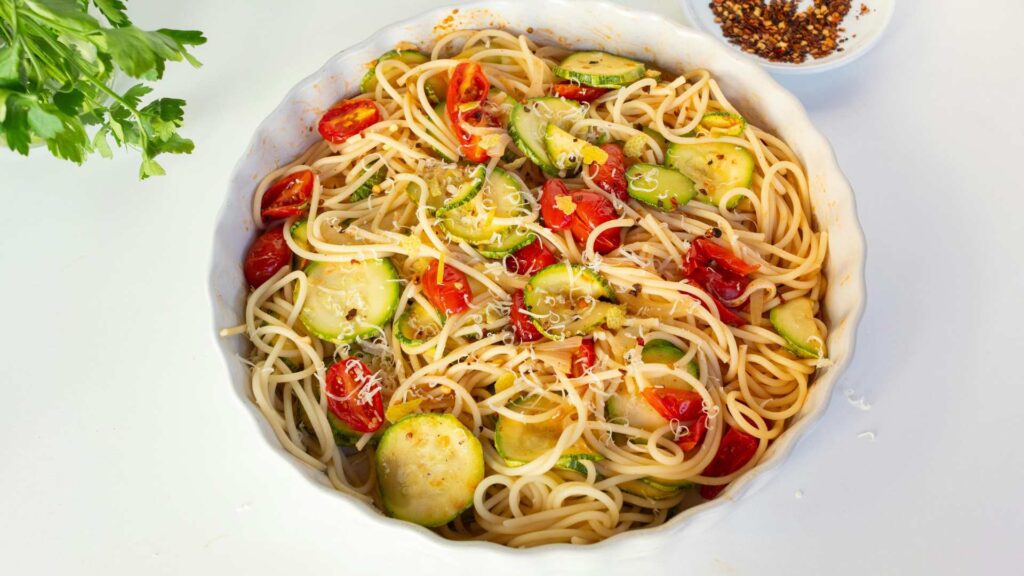
You can stir the veg through pasta or noodles; serve with eggs or add to an omelette; add to wraps, sandwiches or quesadillas; mix into rice, couscous or quinoa; or use as a topping for roasted potatoes or grain bowls – quick and easy for busy weeknights!
2. Steam and freeze
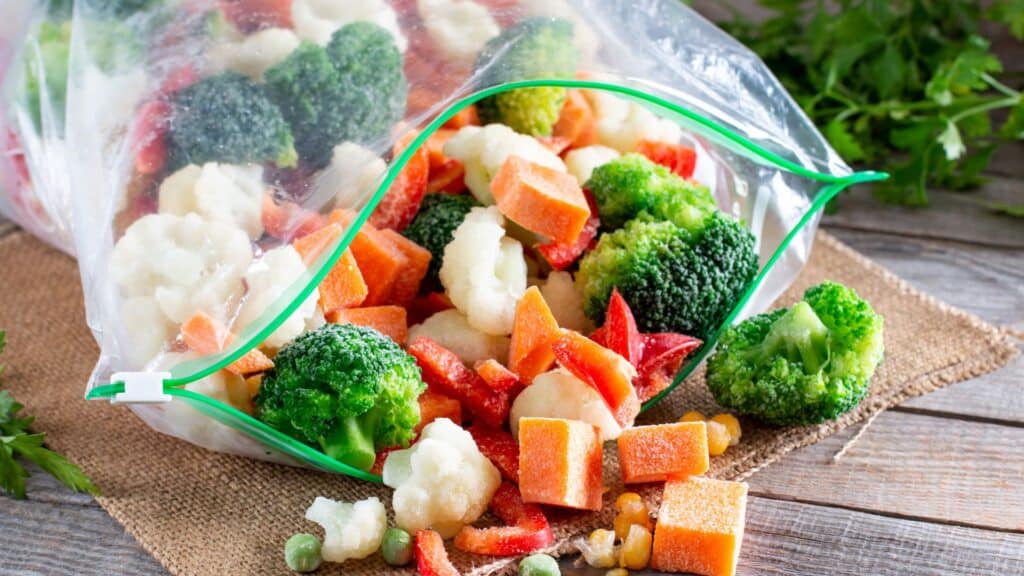
Most vegetables freeze beautifully to be given a second life later on. Simply chop them up into small pieces, add a splash of water and quickly steam them in the microwave, or boil briefly on the stove. Let them cool, place in airtight containers or reusable bags, and store in the freezer.
Vegetables that freeze well include carrots, capsicum, celery, zucchini, onion, broccoli, cauliflower, spinach and leafy greens, corn, and herbs (chopped and frozen into ice cube trays with a little water or oil).
Frozen veg are great for soups, stir-fries, omelettes, pasta sauces, curries, fried rice, casseroles, bakes and slow cooker meals.
3. Juice
Juicing isn’t just for fruit — many vegetables make excellent additions to fresh juices and smoothies. If you’ve got carrots, beetroot, celery, cucumber, spinach, kale, tomato or even small amounts of capsicum that’s past its prime, juicing is a refreshing and healthy way to use it up.
Combine vegetables with fruit like oranges, apples, pineapple or watermelon for balance. You can also add ginger, lemon, mint or herbs to brighten the flavour and boost your nutrient intake.
4. Make stock
Turn your scraps into liquid gold. Making your own vegetable stock from scraps – which still contain flavour and nutrients – is a great way to reduce food waste and save money. Instead of discarding veg skins, stems, stalks and cut-offs, store them in a container in the freezer until you have enough to make a batch of stock.
Some great scraps to save include onion skins and ends, celery leaves and tops, carrot peels, herb stems, broccoli and cauliflower stalks, capsicum cores and mushroom stems.
Once you’ve collected enough, simmer the scraps in a large pot of water for 45–60 minutes with bay leaves, peppercorns or herbs. Strain, cool and freeze the stock in containers or ice cube trays.
Use your homemade stock in risottos, soups, pasta sauces, stews, casseroles and slow-cooker meals. It adds flavour, costs almost nothing and helps you get the very last bit of value from every vegetable.
5. Pickle
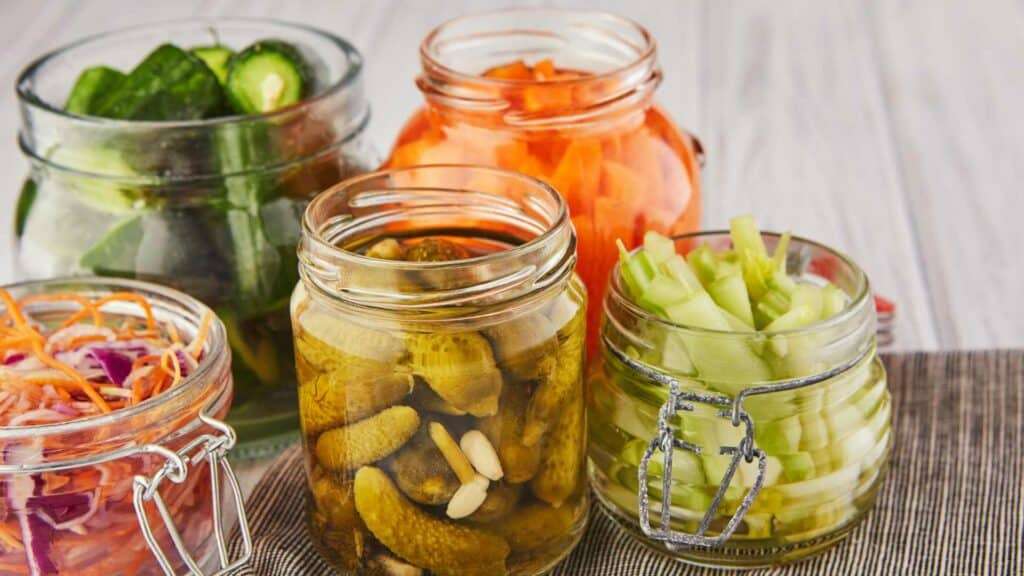
Pickling vegetables is easier than you think — and it’s a brilliant way to extend the life of produce. Pickling works well for cucumbers, onions, carrots, capsicum, beans, radishes, cauliflower and more.
At its simplest, quick pickling only requires vinegar, water, salt, sugar and any spices or herbs you enjoy. Heat the mixture, pour it over sliced vegetables in a clean, sterilised jar, and refrigerate. Within hours, you’ll have tangy, flavour-packed pickled vegetables ready to enjoy.
Pickled vegetables are great for sandwiches, burgers, salads, rice bowls, tacos, roasted meats or cheese boards. They brighten any meal and last for weeks in the fridge.
Reduced veg waste = reduced costs
With a few simple habits, you can turn tired veggies into fresh flavour, cut your household waste and keep more money in your pocket. Every saved carrot, capsicum or celery stick is a small win for your budget – and a big win for your health and the planet.
Sources
1. Reducing Australia’s food waste. Department of Climate Change, Energy, the Environment and Water. https://www.dcceew.gov.au/environment/protection/waste/food-waste
2. Department of the Environment, Tourism, Science and Innovation. https://www.qld.gov.au/environment/circular-economy-waste-reduction/reduction/reduce-food-waste