Want to make healthier food choices but think they’re too expensive? Think again! With our wallets under pressure, many households are looking for simple, reliable ways to save money on food. We explore why vegetables don’t just taste great – they provide a low-cost way to boost your health.
When comparing the cost of vegetables to many other foods, the value-for-money stacks up. Seasonal vegetables, frozen options and canned veg often come in at a fraction of the price of takeaway, snack foods or heavily processed items. Even when prices fluctuate, vegetables remain among the most economical sources of fibre, vitamins and minerals. According to the Living Healthy Report 2025, on average, a serve of vegetables costs around 70 cents – cheaper than many common snacks like chips and muesli bars, which cost around 84 cents per serve.
Health benefits that add up
‘Around 94% of Australian adults and 96% of children are not meeting the recommended daily serve of veggies,’ says Rebecca Farletti, Dietitian from Health and Wellbeing Queensland. ‘Adding just one extra serve can make a big difference to your health. And before you know it, eating more veggies will feel like second nature for the whole family.’
Even one additional serve of vegetables a day can support digestion, immunity, heart health and long-term wellbeing. Vegetables provide fibre, antioxidants and essential nutrients, making them an easy way to boost overall health without increasing costs.
Importantly, it doesn’t matter whether vegetables are fresh, frozen or canned — they all contribute to a healthier, more balanced diet.
Budget-friendly tips to help families eat more veg
Eating well doesn’t need to be complicated or pricey. An Oxford University study found that diets that include more vegetables and reduce meat and dairy, to create more balance, could slash your food bill by up to one-third.
These simple changes to weekly habits can make veg-filled meals easier and more affordable:
1. Buy what’s in season – it’s cheaper and tastier!
Seasonal produce is particularly good value because it’s grown in abundance and usually harvested closer to home. In Queensland’s warm summer months, vegetables like zucchini, tomatoes, eggplant, capsicum, beans and leafy greens are often at their freshest and cheapest. Buying in season not only saves money but also ensures great flavour and quality. Look for supermarket specials in the veg section or consider visiting farmers’ markets for lower-cost, locally grown produce. If you have a big family, buying whole pumpkins, broccoli heads, cabbages or cauliflowers usually cost less per kilo than pre-cut alternatives. They store well and offer multiple servings.

2. Choose frozen and canned veg
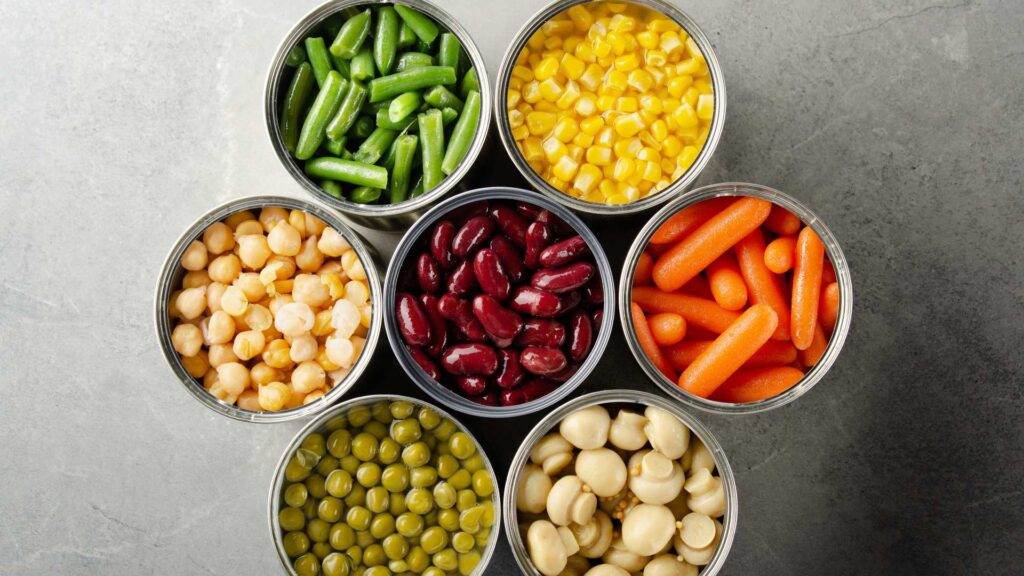
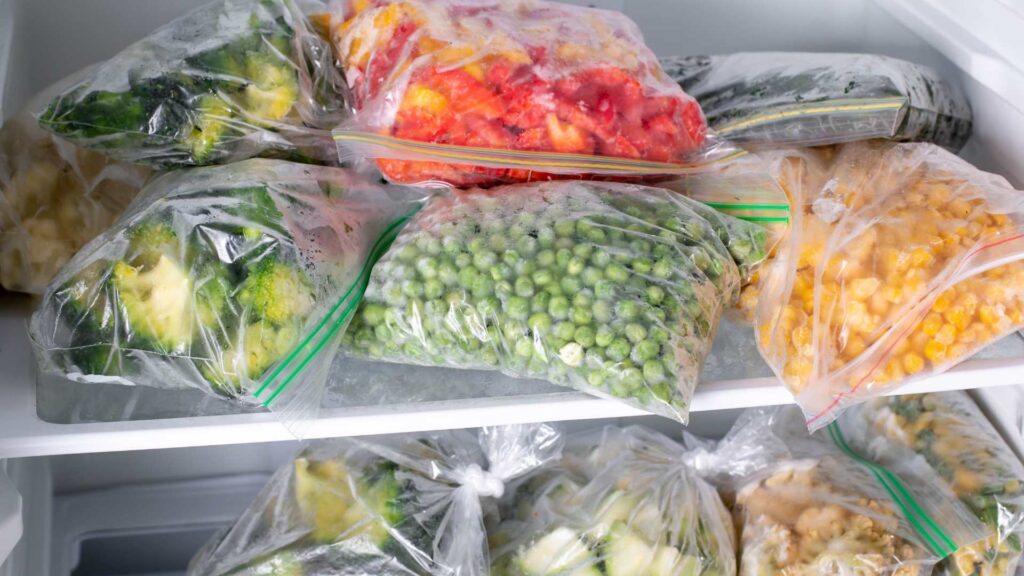
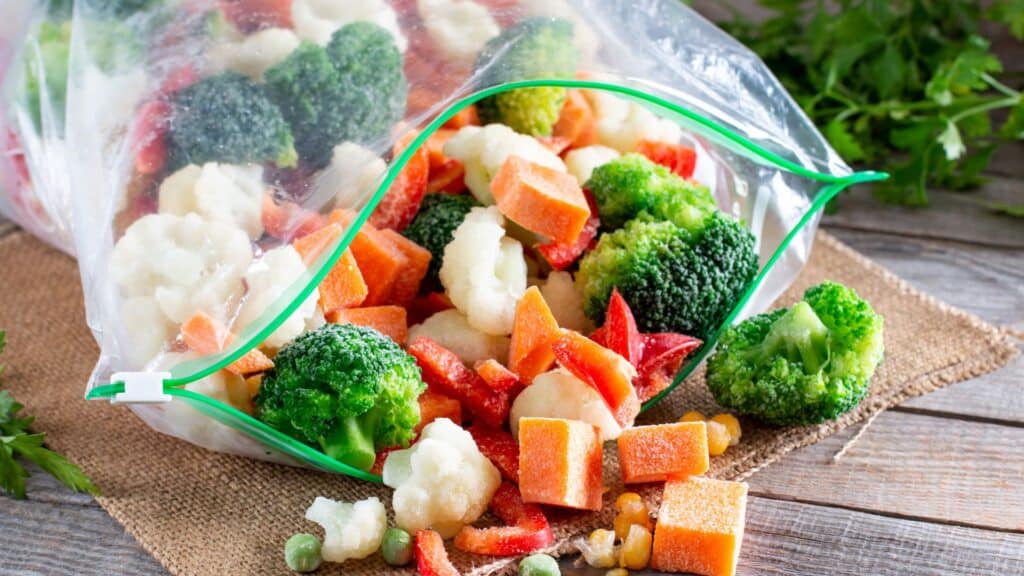
These long-lasting options reduce waste and save time. Frozen vegetables offer another budget-friendly option. They’re picked and snap-frozen at peak freshness, locking in nutrients. Because they keep in the freezer for months, they reduce waste and make it easy to prepare quick meals on busy nights. Canned vegetables are also excellent pantry staples. Tinned tomatoes, corn, chickpeas and beans can be used in soups, curries, salads, pastas and tray bakes.
Tip: When picking canned vegetables look for salt-reduced or no-added salt options, and rinse thoroughly before use.
3. Batch cook and freeze
Preparing larger batches of pasta sauces, soups or curries is a simple, budget-friendly strategy that makes healthy eating convenient too. By cooking once and enjoying multiple meals, you can avoid blowing the budget on last-minute takeaways.
4. Use leftovers creatively
Giving veggies a second life is a simple, cost-effective way to add more flavour, nutrition and variety to your meals. This is where the versatility of vegetables truly shines! Leftover veg can be transformed into tasty fritters, fried rice, savoury muffins, wraps or omelettes. Extra roast veg can be blended into creamy soups, dips, pasta sauce or smooth purées for baby-friendly meals.
5. Plan meals in advance
Planning meals in advance is one of the most effective ways for families to save money while enjoying healthy meals. Mapping out what you’ll cook each week helps you shop with a purposeful list, avoid impulse buys and make the most of seasonal produce and specials. Meal planning also prevents midweek panic, when the temptation to order expensive takeaway is at its highest. By knowing exactly what ingredients you need, you reduce waste, stretch your budget further and ensure that nutritious, veggie-rich dishes are always within reach.

Simple low-cost meal ideas
Here are a few practical meals built around vegetables that are affordable, family-friendly and easy to prepare:
– Pasta sauce – If you have reluctant ‘veggie-mites’, grated carrot, zucchini, capsicum or mushrooms blend beautifully into tomato-based sauces. Serve with wholemeal pasta for a healthier, budget-friendly meal.
– Vegetable omelette – Eggs and leftover vegetables make a nutritious breakfast, lunch or dinner that comes together in minutes.
– Veg-packed stir fry – Combine an assortment of vegetables with noodles or rice. Add tofu, chicken or eggs – whatever you have available.
– Tray bake – Shop seasonal vegetables, lightly toss with oil, herbs and beans or chickpeas, then roast. It’s hands-off, flavourful and low-cost.
– Pasta sauce – If you have reluctant ‘veggie-mites’, grated carrot, zucchini, capsicum or mushrooms blend beautifully into tomato-based sauces. Serve with wholemeal pasta for a healthier, budget-friendly meal.
– Vegetable omelette – Eggs and leftover vegetables make a nutritious breakfast, lunch or dinner that comes together in minutes.

Every serve counts
Boosting vegetable intake doesn’t need to be overwhelming. Start with one extra serve per day – an extra cup of fresh or frozen veg at dinner, a handful of cherry tomatoes, some spinach in a sandwich, or grated veg added to your favourite meals.
Vegetables – in all their forms – continue to be one of the best-value food groups available. They’re nutritious, widely available, and incredibly versatile, making them a powerful ally for families wanting affordable meals that still taste great.
Sources
1. HealthyLife and Woolworths Group. Living Healthy Report 2025. https://www.healthylife.com.au/health-report-2025
2. Springmann, M., Clark, M., Rayner, M., Scarborough, P., and Webb, P. (2021). The global and regional costs of healthy and sustainable dietary patterns: a modelling study. The Lancet Planetary Health, Volume 5, Issue 11, e797 – e807